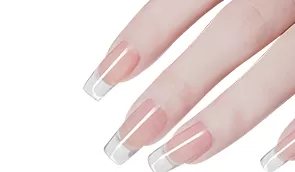
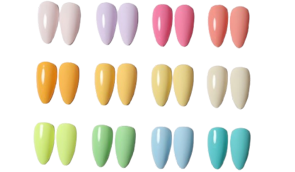
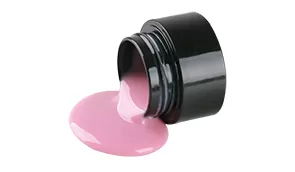
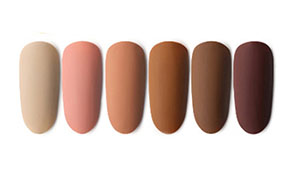
For nail brand buyers, selecting gel polish involves much more than comparing color charts, packaging designs, and unit prices. Formula positioning, pigmentation, viscosity, leveling, curing compatibility, wear performance, removal, batch consistency, and OEM capability all affect whether a product can succeed in the market.
An attractive sample does not automatically guarantee reliable mass production. Brands need a structured sourcing standard based on their target market, sales channel, and customer profile to reduce color variation, curing problems, complaints, and inventory risks.
Before sourcing gel polish, determine whether the collection will primarily serve professional salons, retail consumers, distributors, or a combination of these groups.Professional salons usually focus on pigmentation, application speed, wear time, and compatibility with different lamps. Retail customers may place greater value on easy application, clear instructions, recognizable packaging, and convenient removal. Wholesale collections also need broad color coverage, stable replenishment, and products that can perform across different regional markets.A balanced first collection may include:
Core shades such as nude, red, pink, black, and white;
Seasonal shades for spring, summer, autumn, winter, and holidays;
Effect products such as cat-eye, glitter, reflective, jelly, and thermal gels.
Buyers can begin with the complete Gel Polish Product Range and then select suitable Color Gel, Base Coat Gel, and effect gel systems.
Different gel polish categories support different commercial goals. Core colors help establish dependable sales, effect gels create launch appeal, and free-from formulas can serve markets with specific ingredient requirements.
| Product Type | Main Characteristics | Suitable Positioning | Key Sourcing Tests |
|---|---|---|---|
| Standard Color Gel | Broad shade range and wide application | Salon, retail, and wholesale brands | Pigmentation, leveling, and color consistency |
| Rubber Color Gel | Thicker texture with reinforcement properties | Professional salons and flexible-nail ranges | Viscosity, flexibility, and thick-layer curing |
| Effect Gel | Cat-eye, glitter, reflective, or other visual effects | Trend-focused and seasonal collections | Effect consistency and particle distribution |
| Free-From Gel | Excludes selected formula ingredients | European-oriented or ingredient-led brands | Full INCI, curing performance, and documents |
Buyers should not determine market suitability from a front-label statement such as “HEMA-Free” or “TPO-Free” alone. The complete ingredient list, supporting documents, labeling, and destination-market requirements must also be reviewed.
Sample testing should reproduce real salon and end-user conditions.First, evaluate the brush, pickup amount, viscosity, and application control. A suitable product should apply consistently without excessive brush marks, flooding, shrinkage, or uneven pigment distribution.Second, test curing with more than one commonly used UV/LED lamp. Dark shades, highly pigmented colors, and glitter products require particular attention because incomplete internal curing, wrinkling, soft surfaces, or excessive heat may not be visible on a simple color swatch.Third, test the complete base, color, and top coat system. Wear tests should include real nails, not only plastic tips. Record lifting, cracking, fading, loss of gloss, staining, and removal time.The U.S. FDA regulates nail products as cosmetics. Except for color additives, cosmetic products and ordinary cosmetic ingredients generally do not require FDA premarket approval. However, the responsible company must still ensure product safety and compliant labeling. Buyers can consult FDA Nail Care Products and FDA Authority Over Cosmetics.
After the samples pass testing, retain a sealed formula sample, an approved color swatch, and a finished packaging sample as Golden Samples.The purchase specification should clearly define:
Product name, shade number, and formula version;
Bottle, capacity, brush, and net content;
Curing time for each layer and complete system;
Acceptable tolerances for color, viscosity, and packaging;
Batch number, production date, and traceability;
Label, barcode, carton, and packing requirements.
Private-label buyers can review the Private Label Gel Polish Process for formula, color, bottle, and packaging options. Project information can be submitted through Contact Us.Conclusion: Successful gel polish sourcing is not about identifying the lowest unit price. It is about selecting a product system that supports the brand’s positioning, destination market, and quality standards. Structured sample testing, Golden Sample control, and batch inspection can significantly reduce commercial risks.
Begin with pigmentation, viscosity, leveling, shrinkage, curing compatibility, wear, and removal. Bottle, brush, fill weight, and packaging quality should also be evaluated.
No. A color chart is only a reference. The actual product should be tested on real nails, different base colors, and multiple UV/LED lamps.
Dark and highly pigmented formulas may reduce light penetration, so both thin and thicker applications should be checked for complete internal curing.
A Golden Sample is the mutually approved standard used to compare the color, viscosity, odor, packaging, and performance of future production batches.
Provide the destination market, product category, number of shades, bottle capacity, formula requirements, estimated quantity, packaging method, and target launch date.

 English