Builder Gel and Polygel are two widely used nail extension gel systems. Both can reinforce natural nails, create structured shapes, and support extensions, but they differ in texture, application, packaging, target users, and sourcing requirements.
For nail brand buyers, wholesalers, and private label customers, the choice between Builder Gel and Polygel should not be based only on color options or unit price. Sales channels, customer skill levels, curing performance, and product positioning must also be considered.
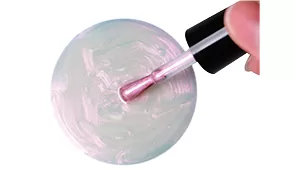
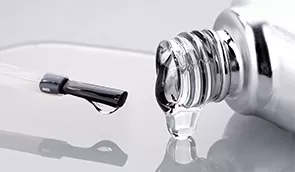
Builder Gel is a light-cured construction product generally used for natural-nail reinforcement, apex building, and selected extension lengths. It usually has a medium-to-high viscosity, and some formulas provide self-leveling properties that help create a smooth surface.Builder Gel may be supplied in a brush bottle or jar. Bottled Builder Gel is commonly positioned for overlays, natural-nail reinforcement, and short-to-medium structures. Potted products are often thicker and may provide professional technicians with more control during construction.Polygel, also known as Poly Gel, generally has a paste-like and highly viscous texture. It remains relatively stable before curing, allowing the nail technician to adjust the length, thickness, and shape without the product quickly flowing toward the sidewalls.Polygel is commonly applied with a nail brush and may be used with slip solution, dual forms, or paper forms. This makes it suitable for controlled extensions, shaping, and nail repairs.Buyers can review the available Builder and Extension Gel Collection and Poly Gel Collection when planning product formats and packaging.
| Comparison | Builder Gel | Polygel |
|---|---|---|
| Main Use | Natural-nail reinforcement, apex building, and extensions | Shaping, extensions, and structural construction |
| Texture | Medium to high viscosity; some formulas self-level | Paste-like, highly viscous, and non-running |
| Application | Applied with a bottle brush or separate nail brush | Dispensed and shaped with a nail brush |
| Product Control | Requires control of product movement | Can be repeatedly adjusted before curing |
| Packaging | Brush bottle or jar | Tube or jar |
| Target Users | Salons, retail customers, and professional users | Nail technicians and training schools |
| Main Tests | Leveling, curing, adhesion, and structural strength | Dispensing, shaping, curing, and break resistance |
One advantage of Builder Gel is its packaging flexibility. A bottled builder gel polish can use the same visual system as a conventional gel polish collection, making it easier for salon and retail customers to understand.Polygel offers greater control during shaping because it does not move quickly toward the nail edges. However, it usually requires additional tools and clearer technical instructions, making it more suitable for customers with some nail-extension experience.
Brands serving professional salons may carry both Builder Gel and professional Poly Gel. Builder Gel can support natural-nail overlays, short extensions, and apex construction, while Polygel can serve longer extensions, special shapes, and repair applications.For retail and e-commerce channels, Builder Gel in a bottle is often easier to position because the bottle and brush format are familiar to gel polish customers. The product page should clearly state the recommended thickness, curing time, suitable nail types, and removal method.Polygel can also perform well in e-commerce when sold as a complete kit. A kit may include the Poly Gel, nail brush, slip solution, dual forms, or paper forms. Selling only a tube without tools or clear instructions can increase application difficulties and customer-service issues.Wholesalers and distributors may position Builder Gel as a core reinforcement and construction category, while Polygel can form a specialized extension range. Clear naming and product-use explanations are important so that customers do not assume the two systems are identical.
When evaluating a builder gel manufacturer or Polygel supplier, buyers should use a standardized sample-testing process.Builder Gel should be tested for:
Viscosity and movement speed;
Self-leveling performance;
Apex retention;
Thin- and thick-layer curing;
Heat sensation during curing;
Filing performance;
Adhesion to natural nails;
Structural strength after extension.
A formula that moves too quickly may flood the sidewalls, while a product that is excessively thick may leave brush marks and become difficult to level. The best viscosity depends on the target customer’s working habits rather than the assumption that thicker is always better.Polygel should be tested for:
Ease of dispensing from the tube;
Movement with a nail brush;
Compatibility with slip solution;
Working time before curing;
Complete curing in thicker structures;
Filing speed and surface finish;
Resistance to bending and breakage;
Stability during storage.
Both nail extension gel systems should be tested with UV/LED lamps commonly used in the destination market. The recommended lamp power, curing time, and maximum application thickness should be clearly defined.The U.S. FDA explains that nail products are generally regulated as cosmetics. Companies are responsible for ensuring that products are safe under labeled or customary conditions of use. Buyers can review the official FDA Nail Care Products information.For the European Union, brands must also consider the Responsible Person, safety assessment, Product Information File, compliant labeling, and CPNP notification. More information is available through the European Commission’s Cosmetic Products Notification Portal.Brands can discuss viscosity, hardness, shade, bottle capacity, and packaging through the Private Label Service. Quantity and destination-market requirements can be submitted through Contact Us.Conclusion: Builder Gel is suitable for natural-nail reinforcement, apex construction, and flexible extension applications. Polygel is more suitable for professional projects that require longer shaping time and controlled extension work. A brand may carry both systems, but clear positioning, standardized testing, and accurate instructions are essential.
No. Builder Gel usually has some movement, and selected formulas can self-level. Polygel normally has a paste-like texture that holds its shape before curing.
Yes, but the suitable length depends on formula hardness, flexibility, and structural strength. Buyers should conduct extension and break-resistance tests.
Its thicker texture is easier to dispense from a tube, which helps control the amount used during shaping.
Builder Gel in a bottle is generally easier to position for retail. Polygel is often better sold as a kit with tools and instructions.
Some products may use the same lamp, but curing compatibility should still be tested because formulas and recommended application thicknesses vary.

 English