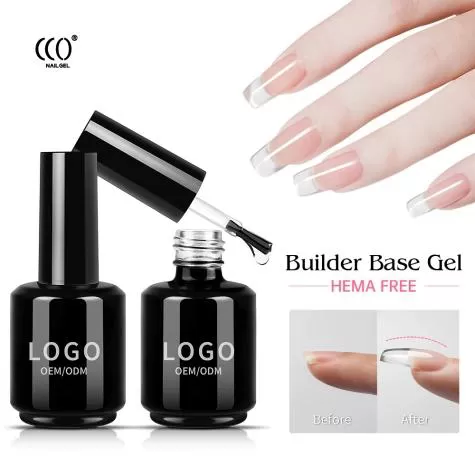
Here's a breakdown of why HEMA-free matters and what you need to know:
1.Why Avoid HEMA?
Allergy Risk: HEMA is one of the most common culprits behind acrylate (gel polish) allergies. Repeated skin contact with uncured HEMA (especially from flooding the cuticles or skin) can sensitize individuals, leading to allergic contact dermatitis.
Symptoms: Allergic reactions can include redness, itching, swelling, blistering around the nails and fingertips, and even nail damage or loss. Once sensitized, a person may react to many types of acrylates found in gel products, not just HEMA.
Increasing Prevalence: As gel polish has exploded in popularity (both salon and home use), the incidence of acrylate allergies has risen significantly.
2.What "HEMA-Free" Means (and Doesn't Mean):
Does Mean: The specific chemical HEMA is not listed as an ingredient.
Does NOT Mean:
Hypoallergenic: Other acrylates in the formula (like HPMA, EMA, Di-HEMA, etc.) can also cause allergies, though HEMA is statistically the most common offender.
Guaranteed Safety: While significantly reducing the risk, it doesn't eliminate the possibility of developing an allergy to other components.
"Safer" Application: Proper application technique (avoiding skin contact) and thorough curing are still CRITICAL to prevent allergies and skin irritation, even with HEMA-free products.
3.Popular & Reputable HEMA-Free Gel Polish Brands (Examples - Always Check Current Labels):
Light Elegance (LE): Known for high performance and strong allergy focus. Many lines are HEMA-free and often also free from other common allergens like HPMA. (Requires certification for purchase).
Kokoist: Offers specific HEMA-free lines (like Platinum Bond Duo) alongside lines that may contain it. Known for excellent formulations.
Madam Glam: Has a significant range of HEMA-free gels. Readily available online.
Gelish: Their "Gelish Sensitive" line is formulated without HEMA, HPMA, and other specific allergens.
Bio Seaweed Gel (BSG): Markets itself as "5-Free" (including HEMA-free).
Akzentz: Options like Trinity SW1 gel are HEMA-free and focus on safety.
Drizzle: Known for being HEMA-free and vegan/cruelty-free.
Fiote: Many formulations are HEMA-free.
Mylee: Offers specific HEMA-free collections.
Aprés Gel-X: Their "Natural" soak-off sculpting gels are HEMA-free (their extend gels are not).
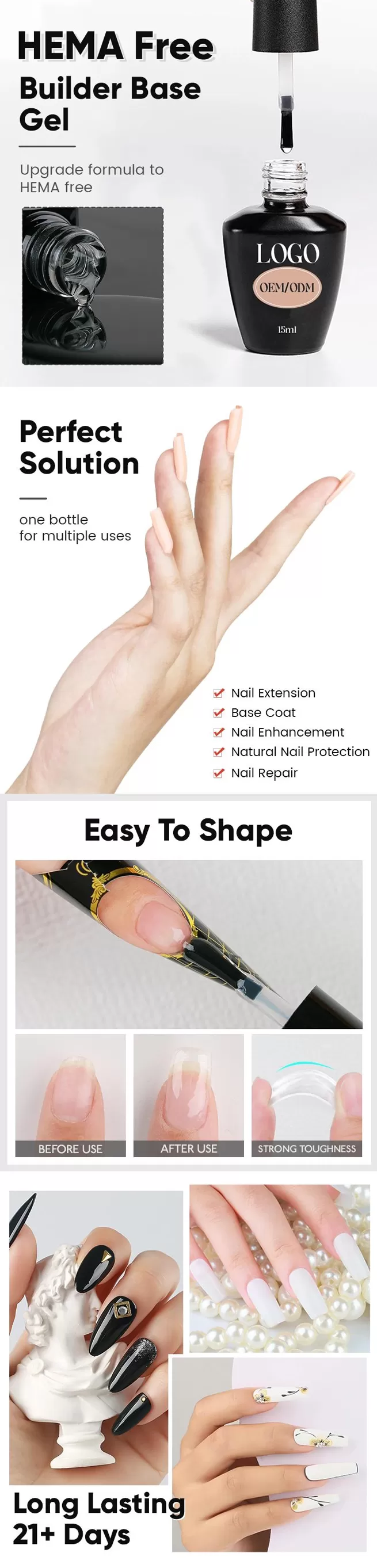
Important Considerations When Choosing & Using HEMA-Free Gel Polish:
Read Labels Carefully: "HEMA-free" should be clearly stated. Check the ingredient list if possible. Terminology can vary (e.g., "no MMA/HEMA").
Look Beyond HEMA: If you have known sensitivities, research if the brand also avoids other common allergens like HPMA, Di-HEMA Trimethylhexyl Dicarbamate, or specific photoinitiators.
Application is Key: This cannot be overstated. Even HEMA-free gel can cause problems if it floods the cuticles or skin and isn't fully cured. Precise application and avoiding skin contact are essential.
Proper Curing: Use a high-quality, powerful LED/UV lamp compatible with the polish brand. Under-cured gel is a major cause of allergies.
Safe Removal: Never peel gel polish off! This damages the nail plate and increases allergy risk. Always soak off properly using acetone and wraps/clips. Protect the surrounding skin during removal.
Patch Testing: If you're highly sensitive or trying a new brand, consider doing a patch test before applying a full set.
Professional vs. DIY: Salons catering to clients with sensitivities often carry reputable HEMA-free brands like Light Elegance or Kokoist. DIY users have access to many online brands.
In summary: HEMA-free gel polish is a safer choice that significantly reduces the risk of developing the most common type of gel polish allergy. However, it is not a guarantee against all allergies, and proper application, curing, and removal techniques remain absolutely vital for safety. Always choose reputable brands and prioritize good nail practices.

 English